
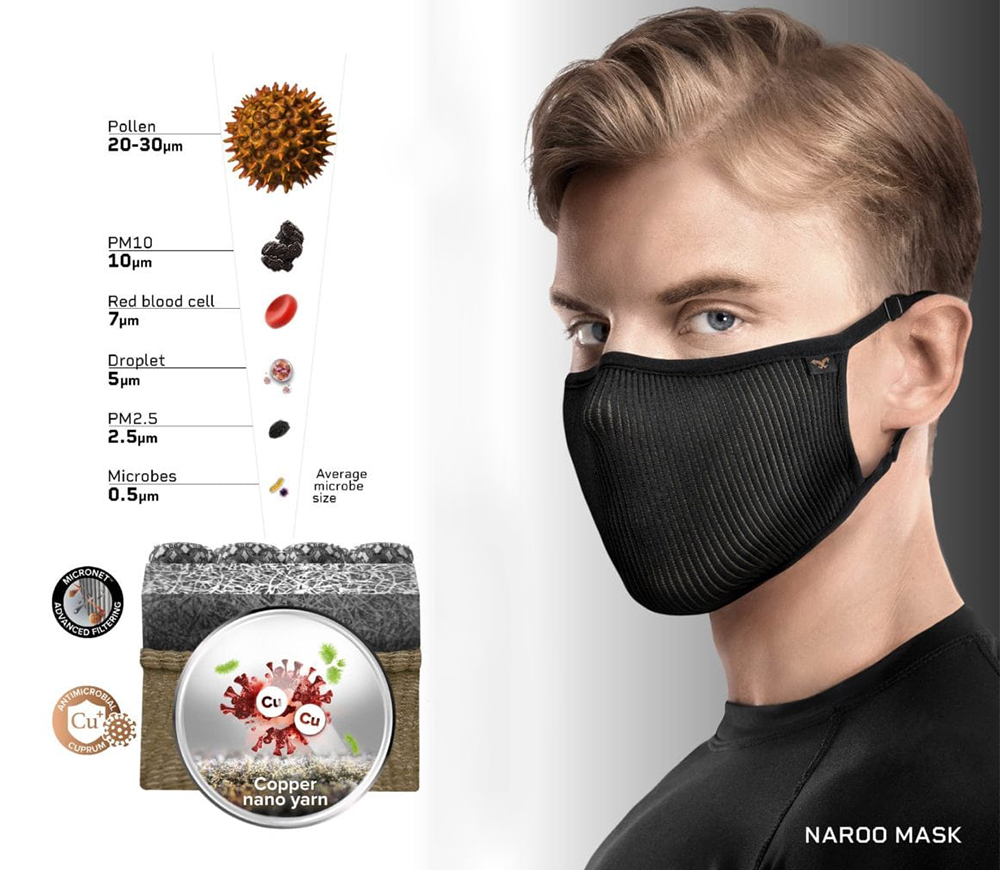
Do Pollution Air Masks Cause Breathing Problems? If you live in a place with high air pollution levels, you’re probably familiar with all of the ways to cope with this major public health issue. You can invest in an air purifier, clean regularly, stay inside, and wear a mask if you have to go out. But if you’re an athlete or a person who likes the outdoors, staying inside can keep you from doing what you love. So what is the solution for athletes and people who like to enjoy the outdoors? Before we get to that, let’s take a look at the common concerns of people who live in places with high pollution. Concerns about wearing pollution air masks One of the biggest worries people have about wearing a pollution air mask is that we won’t be able to breathe. The thought of covering our noses and mouths seems like it may be uncomfortable or cause shortness of breath. Dr. Evelyn Lewin and many other doctors have done research that addresses our concerns. In an article she published in October 2020 she explains that face masks don’t affect gas exchange, which basically means we still get the air we need while wearing a mask. This is good news. However, that doesn’t make them any easier to wear. This is not so good news. In hot weather, they can get too hot. In the cold weather, the moisture from your breath can freeze, making the mask uncomfortable and less effective. They are sealed on all sides of the face, which can make you feel smothered. Or alternatively, improperly sealed masks can send warm air up into your eyes. In general, they just seem quite uncomfortable and not worth wearing despite heavy pollution. What the experts say about wearing pollution air masks Our worries about wearing masks are real concerns. These concerns inspired doctors and research experts all over the world to research and explain how wearing masks can affect our breathing and our lives. Even though doctors have found that masks allow us to get the air we need, they are still uncomfortable, which can cause us anxiety. Canada-based lung specialist Christpher Ewing tells us that when we feel discomfort, the way we breathe can change. He says that it is important to give ourselves time to get used to wearing pollution air masks. It’s like taking time to get used to a new pair of glasses. How do pollution masks work? Pollution masks can stop pollution from entering your lungs and affecting your entire body in several ways. Fabric choice: Different kinds of fabrics can filter pollutants with varying effectiveness. Most pollution masks use a combination of fabrics to create an effective filter. Fabric thickness and layering: The thicker the fabric, the more effective the filter. Combined with layering of fabrics, this makes for an effective mask. Stitching choice: Pollution masks should be tightly stitched or else they are not effective at all. The choice of stitching is key to a good pollution mask. Mask fit: How a mask fits may be the single most crucial aspect of a pollution mask. If it does not seal tightly to your face, pollution can get in. A good pollution mask creates a seal from your nose, to your cheeks, to your chin. No unfiltered air should get in. Copper: Some masks have begun to include copper as a filtration aid as it has native antimicrobial properties, making the masks not only effective against pollution, but bacteria as well. Using the methods above, an effective pollution mask should filter pollutants of at least 2.5 microns in size in order to truly be an anti-pollution mask. But can pollution masks really protect us as athletes? Short answer: Yes. The longer answer is dependent on if the mask is well constructed and even better fitted. Tight stitching is paramount as well as the layering of the fabric. If the mask doesn’t fit properly, it is essentially useless against pollution. Masks should also be tested by accredited third party institutions to be sure that they can filter pollutants at least as small as 2.5 microns in size. That is the size of many of the most harmful particles that need to be functionally trapped by a good pollution mask. If they can, then you have found a good pollution mask. A key point in a pollution mask for an athlete is comfort. This is also protection as an uncomfortable mask we don’t want to wear is not protection at all. A good mask for our outdoor adventures needs to be comfortable. What does NAROO have to do with it? NAROO knows what athletes need: a breathable, functional pollution mask that will let them exercise safely. With that in mind, we created the F Series, which is a set of filtering masks that address the concerns of mask wearers, and of sports people wanting to head outdoors. Are the masks breathable? Yes. This is the one quality that sets this line apart from other pollution masks and makes it especially suited for sports people. Our masks are easy to breathe in. Do they have testing certifications? Yes, we have certifications proving their effectiveness as pollution masks. Do they create a seal? The masks seal against the face and shield it from pollutants. The bendable nose wire allows it to fit to the nose and under eye area snugly while the stitching of the knit fabric hugs the cheeks and chin to seal it. What size particles do they filter? They filter particles as small as 1.7 microns, catching not only normal pollutants but ultrafine particles. Do they use tight stitching? Our masks are made with a special knit that allow them to be both breathable and stitched tightly enough to catch pollutants. What about discomfort in the heat and the cold? The F Series have many different masks that are suited for use in hot and cold weather. Moisture-wicking fabric allows for any perspiration or condensation
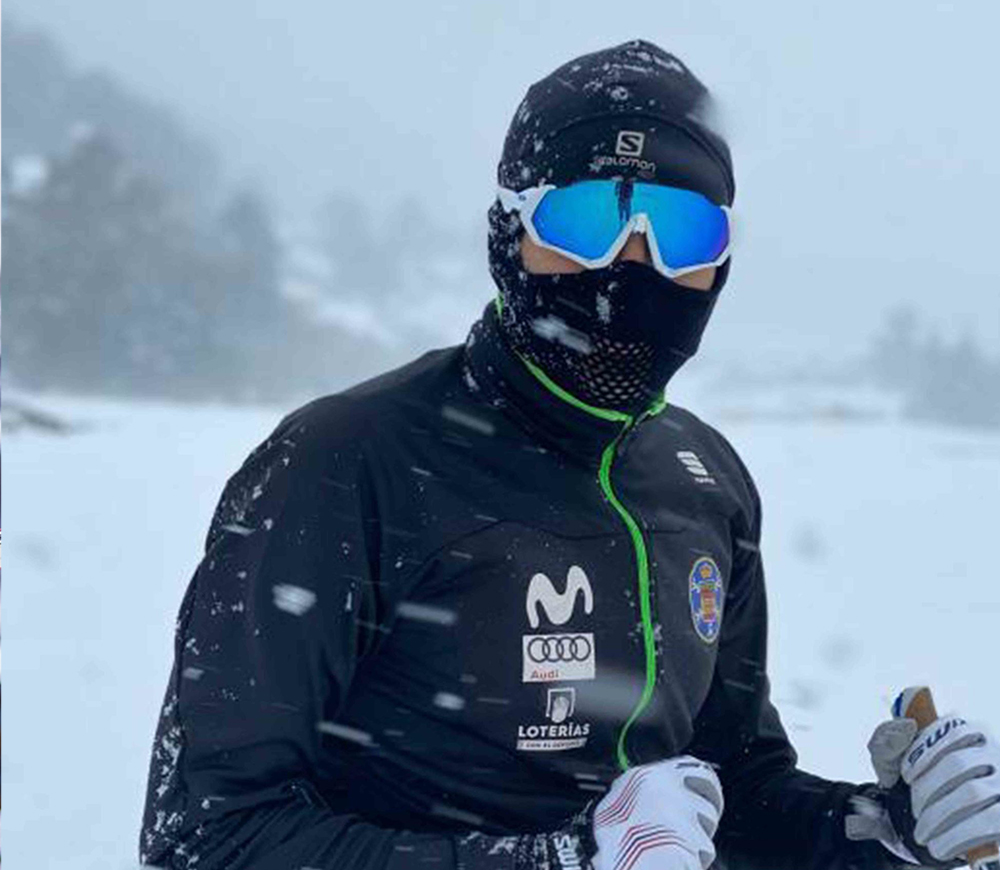
Say goodbye to uncomfortable moisture this winter!Dashing through the snow, on a pair of super skis~Down the hills we go, huffing all the way~Condensation forms, soaking all our masks~What a horrible time to ski and feel cold moisture on our necks!Oh! Soggy masks. Soggy masks!As we venture into the colder months of the year, we have the snow and winter sports to look forward to. But, we also have the problems that come with trying to stay warm as we enjoy the cold. One of the biggest ones is the one described in our holiday time play on “Jingle Bells,” “Soggy Masks.” We know we have to keep our airways warm so that we can breathe and exercise properly. We put scarves and masks and gaitors and neck warmers on to try and tackle these problems, but we’re normally left with wetness around our mouths, noses, cheeks, necks, and sometimes even ears and heads!Our wintertime and holiday time solution to avoid the most uncomfortable situation when exercising in cold weather is to wear something specifically designed to tackle our wintertime woes: a good winter mask.That’s where NAROO steps in. We plan, test, and design our masks to take care of athlete’s safety and comfort. Wearing wet clothes in freezing temperatures stresses not just our minds but harms our bodies as well, causing us discomfort and potentially weeks of colds and recovering with tea and blankets afterwards. Tea and blankets are nice, but not when we could be outdoors!We design our masks with moisture-wicking fabric. In laymen’s terms, that means that the fabric is quick dry. The condensation from our humid breathing and sweat is absorbed by the first layer of the mask, and then moved through to the top layer for a quick evaporation process, keeping us nice and dry. We should be mindful of the most important features of masks needed to exercise in winter: Insulating – it keeps us warmEasy breathing – we won’t struggle to breatheQuick dry – moisture quickly evaporatesWashable – good for many usesComfortable – pairs nicely with wintertime gear like helmets, googles, and hatsDoes not slip – the mask stays in place with customizable fabric and bendable partsProtects against UV radiation – protects UV glare from snow or directly from the sunMoisture-wicking fabric – fabric made to enable the quick dry to keep you dry as you goNOT absorbing – moisture is not absorbed, it is quickly evaporated A mask needs to be washable for serious sportspeople who want to be up the mountain or outdoors every day. We’re not just one-day skiers, snowboarders, and athletes – if we do winter sports, we do it seriously. As we sweat, it’s important to pay attention to hygiene, to avoid unpleasant odors, and avoid feeling sticky. NAROO’s moisture-wicking fabric moves moisture from your skin to the surface of the mask so it can evaporate. Wash your mask, and wear it the next day, and it will give you the same comfortable and easy breathing features, just like yesterday and the day before. Amazingly, our masks can be washed hundreds of times and retain the same filtering, moisture-wicking qualities as the first time worn.So grab a great wintertime mask and head out to enjoy the wintertime and your favorite sports.Take a look out our products, developed to keep you dry and happy this winter.
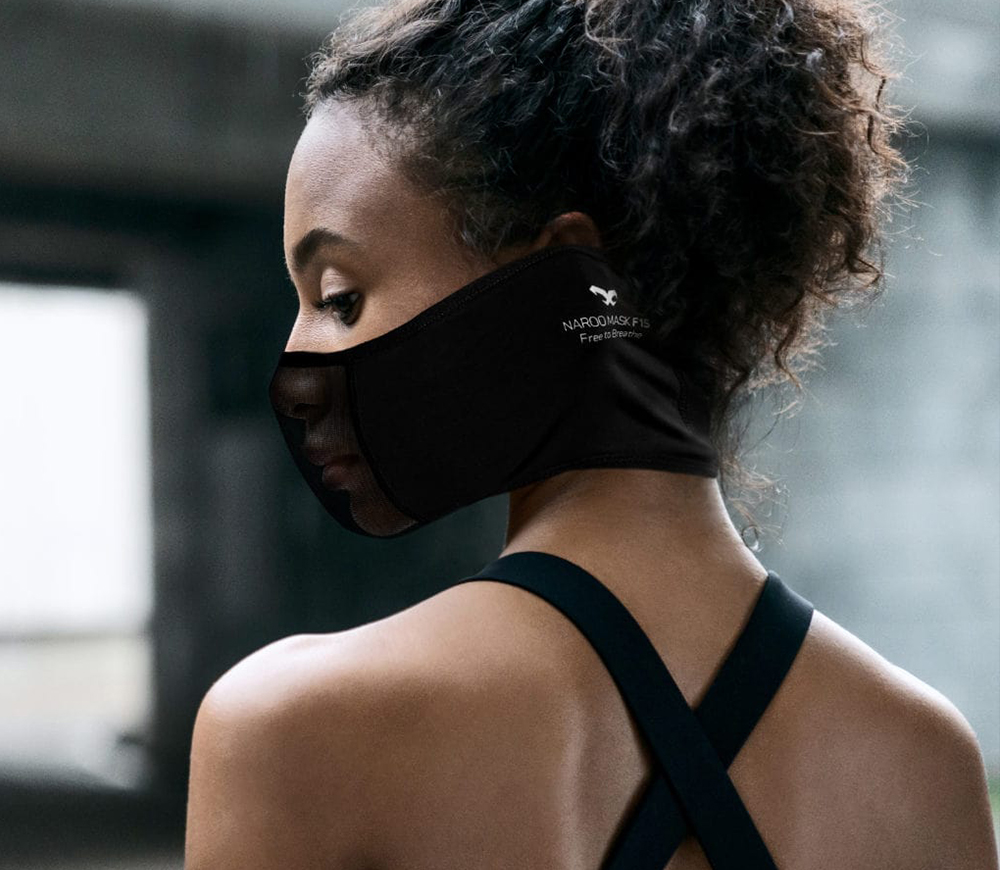
In the high heat of summer, the number one concern on most people’s minds is staying cool. When you’re an athlete, especially one whose sports relies on heading outdoors, it requires a bit more preparation to ensure that you stay safe. Let’s take a look at how to stay safe in the heat and how a face gaiter can help. But first, what can happen if you unsafely exercise in the heat? Heat Illness There are a number of different heat-caused illnesses that can strike if you’re not prepared. When you are under hydrated, exposed to too many UV rays, stress your body by working in the heat, and constantly out in the sun, you may be vulnerable to a heat sickness such as “heat illness.” According to the Centers for Disease Control and Prevention, these symptoms can be heavy sweating, cold pale clammy skin, fast weak pulse, nausea or vomiting, muscle cramps, tiredness weakness, dizziness, and/or headache. Doesn’t sound fun, right? Definitely not. So how can we prevent these symptoms? Preventing Heat Illness During Sports There are several key points in preventing a heat illness while practicing sports. Hydration: This is key during any time of year and in any weather conditions. But during the summer when your body sweats more to cool itself, your water intake should increase to help your body’s natural cooling system. Stop frequently for water. Dehydration can increase the strain on your heart and temperature regulating systems, which in turn decrease your ability to perform at your best. Add a pinch of sea salt into your water bottle to regain lost electrolytes as well. Shade: As much as we want to power our way through the sun and the heat, a key to exercising in summer is to be sure that we rest and get enough shade. Our bodies need the chance to cool and acclimate to the heat. Do shorter bursts of aerobic activity and take frequent shady, water breaks. Exercising in the morning or evening, when the sun isn’t as high and the UV rays aren’t as powerful can also help you stay safe and perform at the top of your game. Also, UV rays can cause skin damage. Avoiding the strongest rays will keep your skin safer. Acclimatize: This is just a fancy word for letting your body get used to working out in the heat. Start with shorter training sessions and work your way up to longer ones as your body gets used to the heat, the sun’s rays, and often, the humidity. Humidity can stifle your body’s ability to self-cool because of a decrease in the evaporation of sweat. Awareness: Know your body and its signs. Keep track of how you’re feeling, how your body is responding, and don’t push it beyond its limits. To perform at your best, you need to give your body what it needs, including rest, shade, and hydration. How to Wear Face Gaiters in the Heat Wearing a face gaiter in the heat is possible and can be safe. In order to be so, the face gaiter has to have several key points to make sure you are comfortable and can perform at your best. Breathable fabric: A mask worn in the summer needs to have breathable fabric that allows the most intake of oxygen possible so you can power your body with the fuel it needs. NAROO’s F1S is made of MICRONET™, a nylon blend with an exclusive knit that is breathable and comfortable against the skin. The reverse side of the F1S has a SPAN MESH fabric that allows for clear, unrestricted and unfiltered airflow. Washable: Unwashed masks can retain sweat, salt, and other particles that can make a second, unwashed use of the mask less effective. Washing masks between every use is paramount. The F1S can be washed over 100 times without losing its effectiveness. Cooling: Moisture-wicking water-repellent fabric will help the mask disperse sweat and condensation from the nose and mouth and keep you dry (soggy masks are no fun!) and cool. It will help sweat evaporate in humidity. UV Protection: A face full of sun lotion can be sticky and drippy, so a mask can be an alternative to UV protection without the creams. The F1S’s SPAN MESH will keep your skin safe from the sun, and as an added bonus, also from wayward insects. F1S Bonus: MICRONET™ fabric technology also filters harmful particles as small as 1.7 microns in size, protecting you from pollen, pollution, and other harmful particles. A few extra tips are to choose a lighter color mask (the F1S in white) to reflect the sun’s rays and keep you cooler, and to follow local heat safety guidelines. Shop our mask selection to choose the best summer time mask for you.
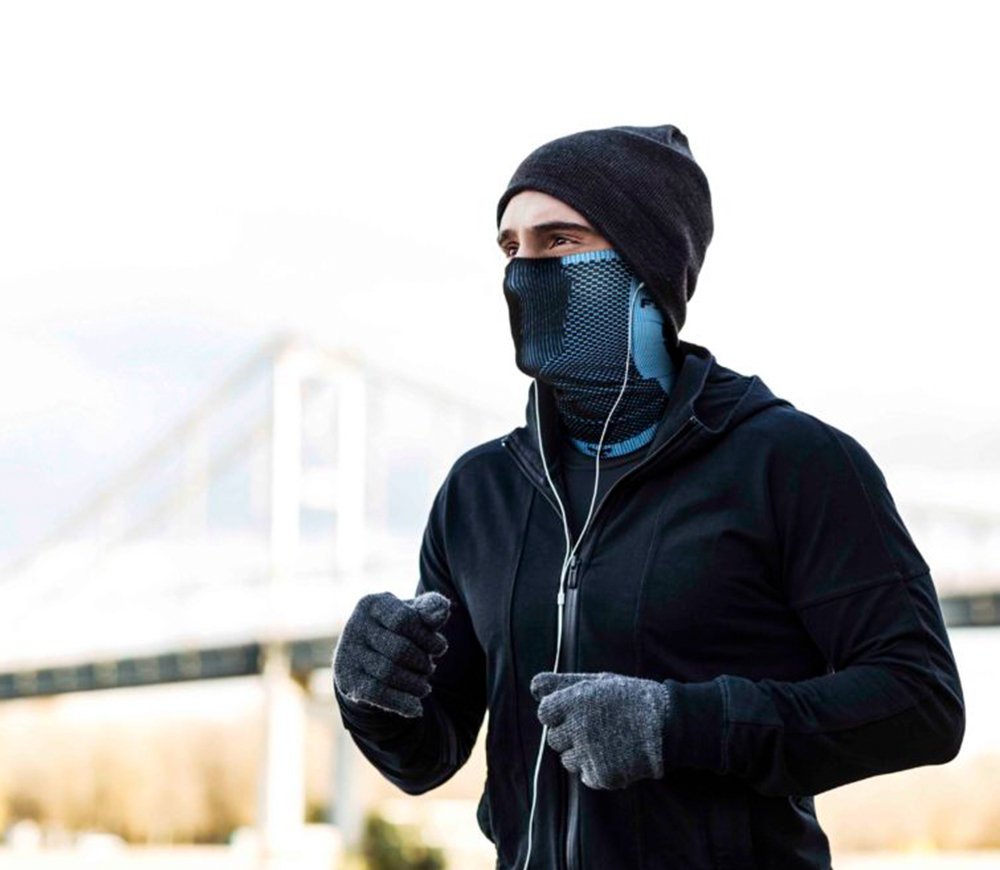
Blisteringly cold winds, frost, dry thin air… These are less than inviting conditions for cold weather exercises. Cold weather exercises in winter always requires that little bit of extra willpower and motivation, especially when coming from a toasty warm bed or the coziness of your home.You could just go to the gym or stay at home and work out in the living room. But we all know that isn’t quite the same as getting out and enjoying the outdoors. Nothing can replace the thrill of forging your own path. Besides, there are benefits to outdoor physical activity, especially during winter. With the right preparation and equipment, cold weather exercising can be extremely mentally and physically rewarding, motivating you to get out of the house.However, winter isn’t always the friendliest time to exercise, and we should head out with caution and protection. We got you covered. Follow these steps and exercise comfortably in winter. 5 Tips for Protecting Your Lungs in Cold Weather Wash your hands frequently.Bacteria spread through the mucous membranes of the eyes, nose, and mouth. If the virus is on our hands and touching our faces, we are almost certain to get sick for a day or two at the office.Cover your nose and mouth with a neck warmer or sports mask when you go out in the cold.Cold air is often dry air and can irritate the airways in people with asthma, COPD, or bronchitis. This can cause wheezing, coughing and shortness of breath. Check Winter Face Coverings here.You have to cover your airways. Why? Because breathing in wintertime can be excruciating. Cold air entering our throats and lungs can burn and make it hard to continue. As the single most important key to successful exercise (in any season) is breathing, anything that prevents effective breathing has to be dealt with. The frigid air can cause asthma-like symptoms in any athlete, no matter how healthy they are.Here’s why you feel the burn in winter.When cold, dry air enters your airways as you breathe quickly during cold weather exercises, your trachea begins to dry out and tighten, which causes shortness of breath and discomfort. The longer you breathe cold air, the more you will feel your chest tighten. Also, your body will begin to function less efficiently due to oxygen deprivation.To avoid burning airways, the air you inhale must be warmed. Your respiratory system delivers its optimum performance when the air you inhale is heated and humidified before it enters the lungs. However, the only way to do this is to cover your airways, which can be uncomfortable and even hinder breathing.Wearing a comfortable, functional mask that covers your nose and mouth is key to ensuring warm air enters your system. To further help prevent feeling the effects of the cold, also cover your ears and neck.Dress warm and stay dry.A cold actually makes you more susceptible to pneumonia and other respiratory infections.We talked about breathing in through the nose, warming the air, and preventing the burn. But the other side of the breathing coin is breathing out, the exhale. In wintertime and while wearing a face covering, this poses its own set of problems. While we exercise, we breathe faster and that speed combined with a mouth covering can lead to moisture building inside scarves or masks. Many sportspeople complain about wet masks making their necks and faces cold. This can lead to the moisture freezing and becoming unbearable.In order to make exhaling as comfortable as possible, NAROO MASK fabric has been designed to allow moisture to disperse quickly even in sub-zero temperatures, instead of absorbing moisture like other materials. This is called a moisture-wicking system that helps you stay dry in the freezing cold. NAROO will help you breathe easily and stay warm and dry.Be careful with the wood burning fireplace and stay hydrated.While it may seem like a great way to warm up, smoke and fumes from fireplaces can be irritating for people with asthma, allergies, and other lung ailments.It is especially important to stay hydrated in winter because it may feel like you’re not thirsty and not sweating. But your body is in just as much need of water as in every other season. Drink at least 30 minutes before you head out and if you’re going far, bring some with you to stay hydrated along the way. Dehydration can make your body struggle, which includes your airways. Prevent any undue difficulty by drinking enough.If you have asthma or COPD, always keep your inhaler nearby.If you have trouble breathing, stop working immediately and use your inhaler as usual.